Follow Us to Build One Funny Dinosaur Hatch Base
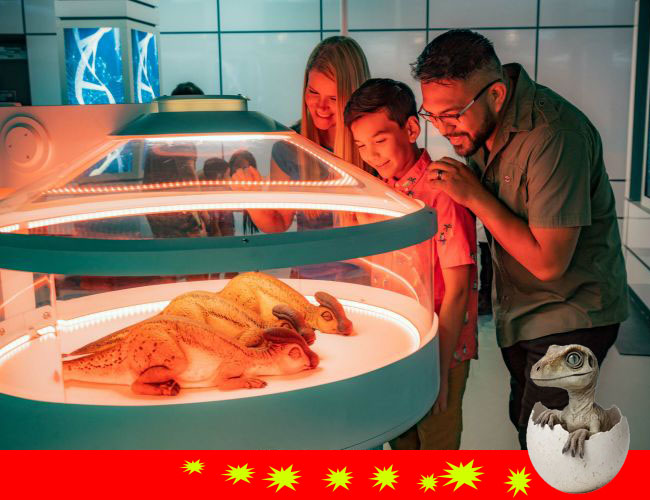
It is becoming increasingly popular to create high-end and funny dinosaur hatch base within popular dinosaur exhibition, dinosaur park, or dinosaur theme museums. Visitors not only want to see the impressive large dinosaurs, but also want to understand how these dinosaurs are hatched.
The dinosaur hatch base has successfully undertaken such a task and enhanced the interactive experience and fun for visitors. Please follow our steps here and gradually build one funny dinosaur hatch center.
QUICK FACTS:
#1. A space of approximately 150–400 square meters is required
#2. Purchase necessary props or models of small or baby dinosaurs
#3. Most critical: Purchasing incubator or hatch equipments
#4. Properly design the interior lighting and atmospheric décor of the incubator
#5. The presentation of key content
#6. Just like that, the fun hatch base was completed
1. A space of approximately 150–400 square meters is required
The first step in establishing an incubation or hatch base is to find an enclosed space. We recommend a space of 150–400 square meters, as this helps save on both renovation costs and time. If you wish to create a larger hatch base from the outset, you can scale up according to your budget.
- It must be an enclosed space.
- If construction must take place in an open area, simple wall structures are required to enclose the space.
- It is best suited for a square-shaped space.
2. Purchase necessary props or models of small or baby dinosaurs
The baby dinosaur props or models are bound to be the main attraction. In the incubation base, the sight of the slowly wriggling baby dinosaurs is what every visitor longs for. Whether adults or children, once they see the newly hatched baby dinosaurs, they can’t help but want to explore more areas and learn more about zoology.
- The number and form of small dinosaur models should be planned according to your budget.
- The small or baby animatronic dinosaur is definitely the most popular.
- Buyers can fully refer to the small dinosaurs in Jurassic Park and Jurassic World as a reference to decide what dinosaurs to buy and in what quantity.
What kind of small dinosaurs are popular?
- Baby Raptor
- Baby Trex (Tyrannosaurus Rex)
- Baby Parasaurolophus
- Baby Triceratops
- Baby Ankylosaurus
- Baby Stegosaurus
If you wish to refer to more small dinosaur models or props, you can click here to view.
3. Most critical: Purchasing incubator or hatch equipments
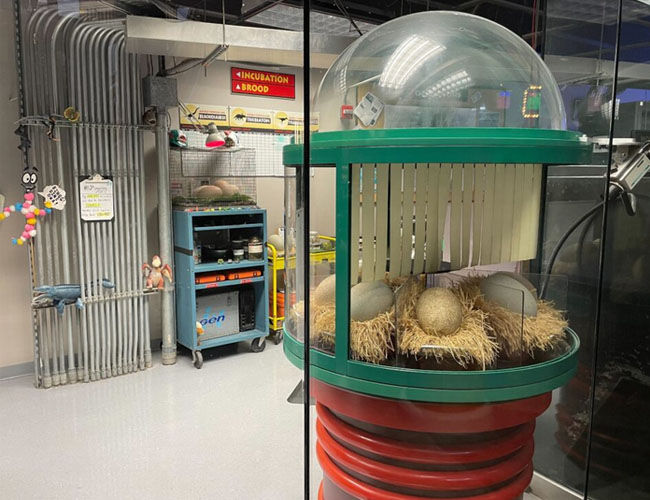
To establish a dinosaur incubation or hatch center, you naturally need to acquire the appropriate incubator or hatch equipments. It sounds simple enough, but implementation is actually quite challenging; finding off-the-shelf incubators sized for baby dinosaurs is virtually impossible. Many of the incubators seen in movies are props custom-made for the film rather than actual industrial products used in real life. To secure suitable incubators, you need a manufacturer—like us—capable of fabricating custom units using metal and plastic sheeting. Of course, we are the perfect dinosaur manufacturer for this task.
- First, determine the number of baby dinosaurs you have, then confirm the quantity and types of incubators.
- Confirm the size of the baby dinosaur and construct the incubator based on those dimensions.
- There are three popular types of incubators: thermal boxes, vertical incubators, and tray-style incubators. Please select the appropriate type based on the number and size of the baby dinosaurs.
- Decide whether to build an incubator equipped with lighting based on your budget.
4. Properly design the interior lighting and atmospheric décor of the incubator
Once the incubator equipment has been installed in the room, the final touches involve setting up the lighting and creating the right atmosphere. The moment visitors step into the center, they are struck by the impression of dinosaurs being brought back to life through technology.
- A three-color lighting scheme is used for decoration: white indicates normal operation and viewing, yellow signifies that a baby dinosaur is about to hatch, and red indicates a dangerous situation.
- Design the narrative for the visitor experience based on the three-color lighting effects.
- The incubation facility is embellished with elements such as fire-safety equipment, thermal insulation notices, “no loud noise” reminders, and warnings about dangerous raptor zones, all of which serve to heighten the sense of realism.
5. The presentation of key content

Once the physical facilities within the incubator space are ready, a crucial element remains: the presentation of content. The primary goal is to inform visitors about the specific purpose of the incubation / hatch center or facility such as how genetic science is used to hatch baby dinosaurs and the scientifically appropriate ways to handle them during the incubation process.
- Such information could be presented on a text-based display panel placed next to the incubator; an even better approach would be to have a staff member dressed as a PhD biologist explain it to visitors.
- The content for this specialization can be drawn from rigorous scientific websites or journals, professional books, or even the scripts of entertaining movies.
6. Just like that, the fun hatch base was completed
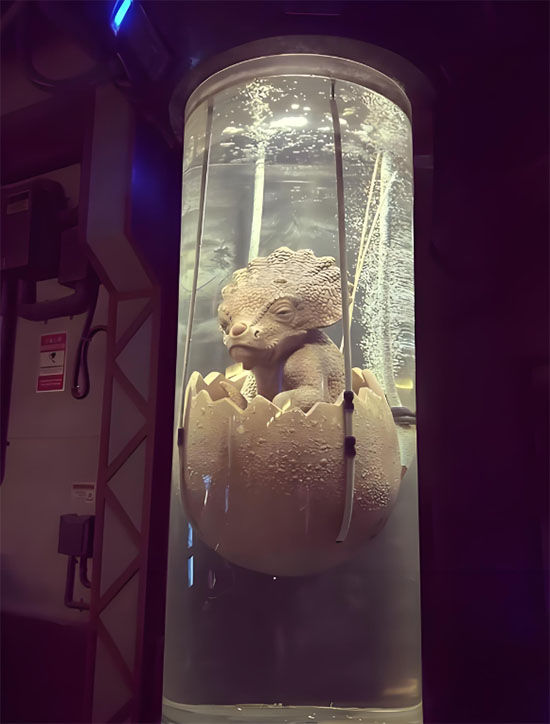
With these five general steps complete, your exciting dinosaur hatching base or centre is ready! The next step is to market it to tourists around the world through channels that ensure broad reach. Operators should make effective use of the internet and social media to let more interested visitors know about the base.
Conclusion
If you are a prospective client operating a dinosaur themed park or exhibition, be sure to check out this blog post on creating a dinosaur hatch base or centre. It will help make your park or exhibition even more compelling, adding a brilliant finishing touch to your dinosaur themed entertainment business.
Related Posts
10 Outstanding Dinosaur Attractions for Jurassic Farm
The Jurassic Theme Farm which is actually a dinosaur-themed playground of a certain scale, is…
7 Things Did Make Tourists Feel Terrified & Excited at Dino Expo
Whether a dinosaur exhibition is successful, or more directly, whether it can attract more visitors…
10 Best Ideas for Jurassic Theme Birthday Party
Jurassic themed parties are an enduring business. Children's childhood is fleeting, and participating in dinosaur…
Leave a Reply